// Projects / Data Acquisition Using MATLAB
PROJECTData Acquisition Using MATLAB
Overview
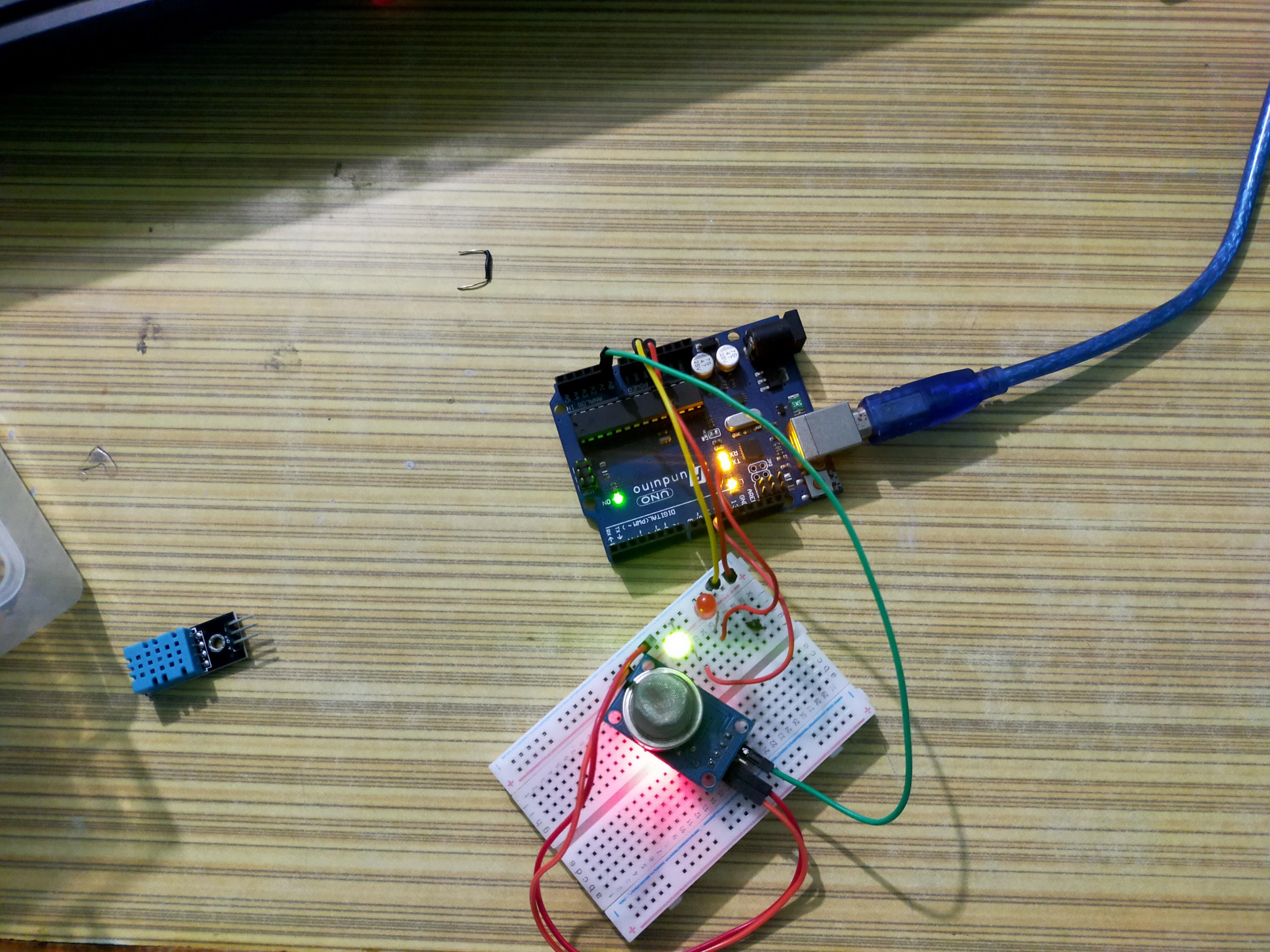
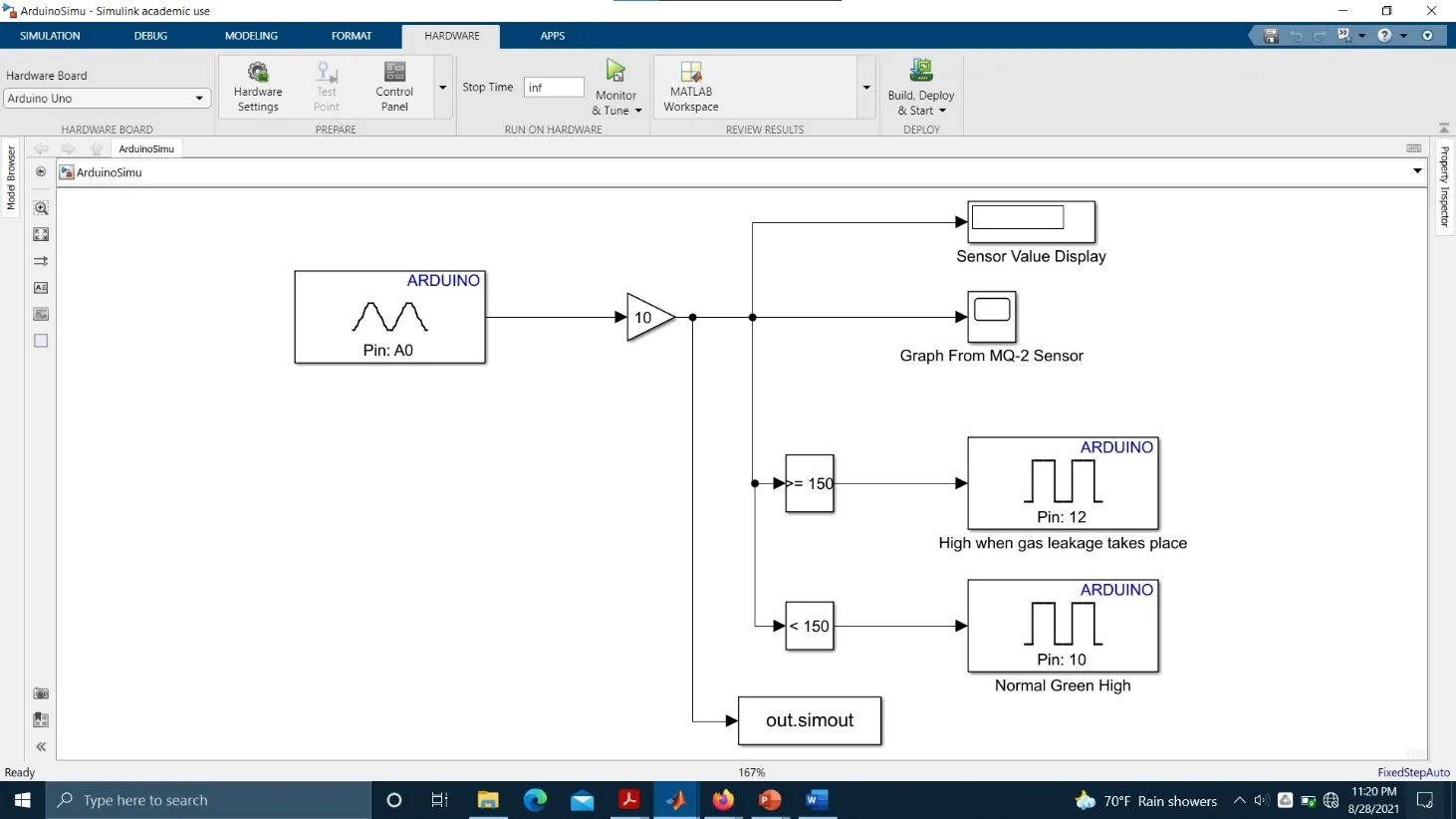
This project developed a MATLAB-based data acquisition system that interfaces with external hardware to read, log, and visualize analog sensor signals in real time. The system bridges physical measurements and computational analysis, placing sensor data directly into MATLAB's signal processing environment without intermediate data transfer steps.
The core objective was to demonstrate end-to-end sensor-to-analysis integration: from hardware channel configuration through live data streaming to time-stamped file logging, all within a single MATLAB workflow. This integration is directly applicable to instrumentation and control laboratory experiments where iterative parameter adjustment and immediate visual feedback are essential.
Technical Approach
MATLAB's Data Acquisition Toolbox provided the software interface to NI DAQ hardware. Analog input channels were configured and mapped to temperature and voltage sensors, with channel properties — input range, terminal configuration, and sample rate — set programmatically through the toolbox's session-based API. This approach allowed channel parameters to be adjusted without hardware reconfiguration.
Acquired data was stored to time-stamped CSV files at each session, preserving a complete record of measurement conditions alongside the signal values. Simultaneously, MATLAB's streaming plot functionality rendered live waveforms during acquisition, giving immediate visual confirmation of sensor behavior and enabling rapid identification of anomalies before the session concluded.
Signal conditioning was applied in software to complement the hardware front-end. An anti-aliasing filter — implemented as a low-pass FIR filter in MATLAB — suppressed aliased high-frequency content before the signal reached the analysis stage. A linear scaling transform then converted raw ADC counts to calibrated engineering units, with scale factors derived from reference measurements against a calibrated bench multimeter.
Project Gallery
Outcomes & Learnings
The system achieved reliable sampling at up to 1 kHz with sub-1% voltage measurement error against calibrated references. Time-stamped logging operated continuously across multi-hour test runs without data loss, and the live plotting interface responded within one display-refresh cycle of new data arrival.
The project established fluency in hardware-software co-design at the instrumentation level: configuring DAQ sessions, synchronizing hardware triggers with software processing loops, and managing the throughput constraints that arise when buffered acquisition feeds real-time visualization. These competencies transfer directly to embedded sensing applications and automated test environments encountered in subsequent power systems research.