Projects › Temperature & Humidity Data Acquisition Using GSM900
Temperature & Humidity Data Acquisition Using GSM900
Project — Kathmandu University
Temperature & Humidity Data Acquisition Using GSM900
Overview
This project built a remote environmental monitoring system that measures temperature and humidity and transmits data wirelessly via a GSM900 module. The system enables untethered monitoring of distant or physically inaccessible locations — agricultural sites, warehouse facilities, or remote substations — without dependence on local wired infrastructure or internet connectivity.
The design addresses a practical deployment constraint in Nepal and similar environments where GSM cellular coverage extends far beyond broadband internet access. By routing sensor readings through the SMS channel of the GSM network, the system reaches locations where cloud-connectivity platforms are unavailable, demonstrating remote IoT-style sensing before such platforms were ubiquitous in undergraduate curricula.
Technical Approach
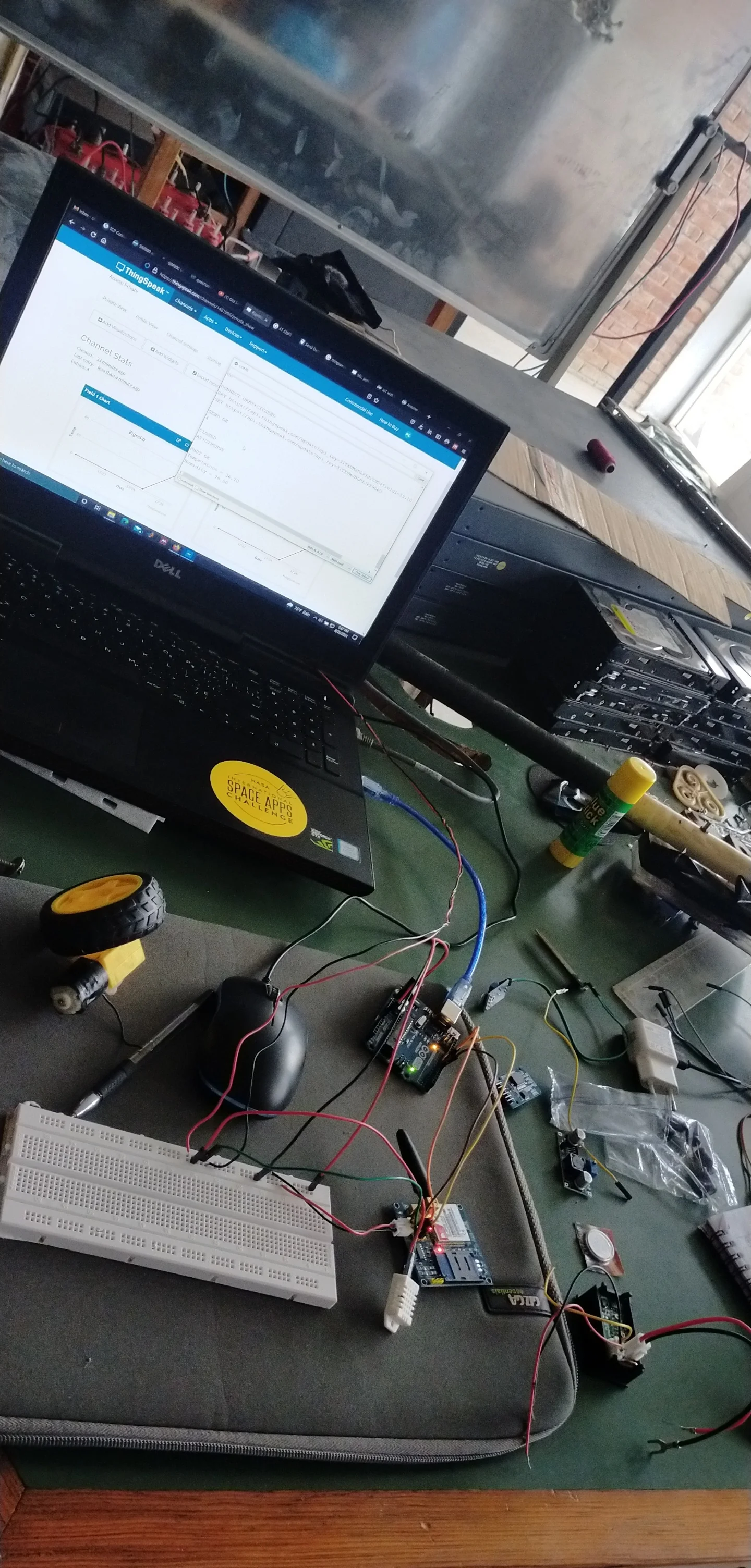
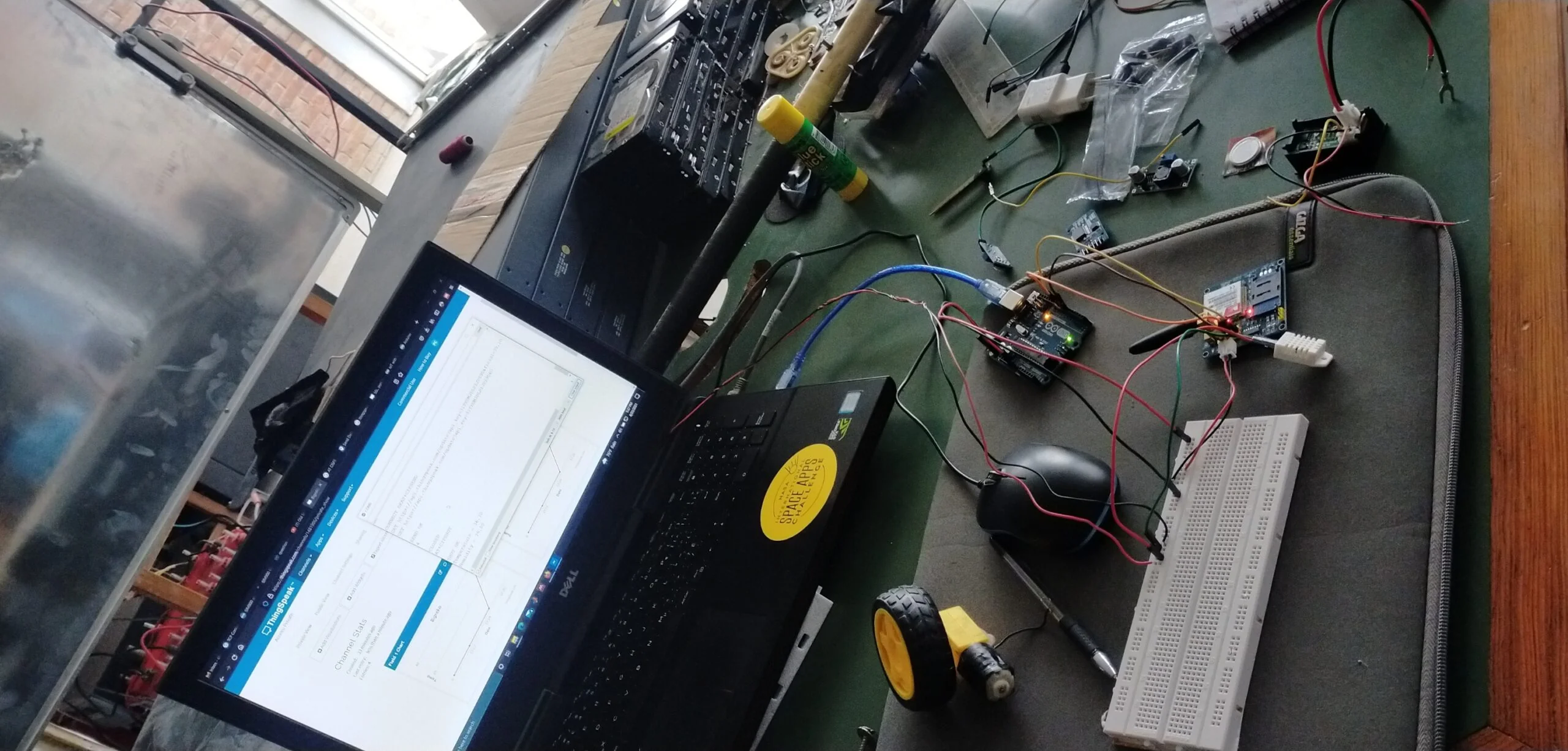
A DHT22 capacitive sensor provides calibrated temperature and relative humidity readings to an AVR microcontroller over a single-wire digital interface. The DHT22's internal calibration coefficients correct for sensor non-linearity, delivering readings directly in engineering units without a separate analog conditioning stage. The microcontroller reads the sensor on each polling cycle and retries automatically on checksum mismatch — a built-in error detection mechanism in the DHT22 protocol.
The microcontroller formats each reading as a compact SMS message string and transmits it to a SIM900 GSM module over UART at 9600 baud. The SIM900 is controlled entirely through the Hayes AT command set: AT+CMGF=1 selects text mode, AT+CMGS specifies the destination number, and the message payload is terminated with the Ctrl-Z character sequence to trigger transmission. No external GSM library was used; the AT command exchange was implemented directly in firmware to keep the code footprint within the AVR's 32 KB flash.
Polling interval is configurable in firmware via a preprocessor constant, allowing the transmission rate to be tuned between one measurement per minute and one per hour depending on application requirements. At the receiving end, incoming SMS messages are logged with their network-provided timestamp, giving a time-stamped record of environmental conditions without requiring a real-time clock on the remote node.
Project Gallery
Outcomes & Learnings
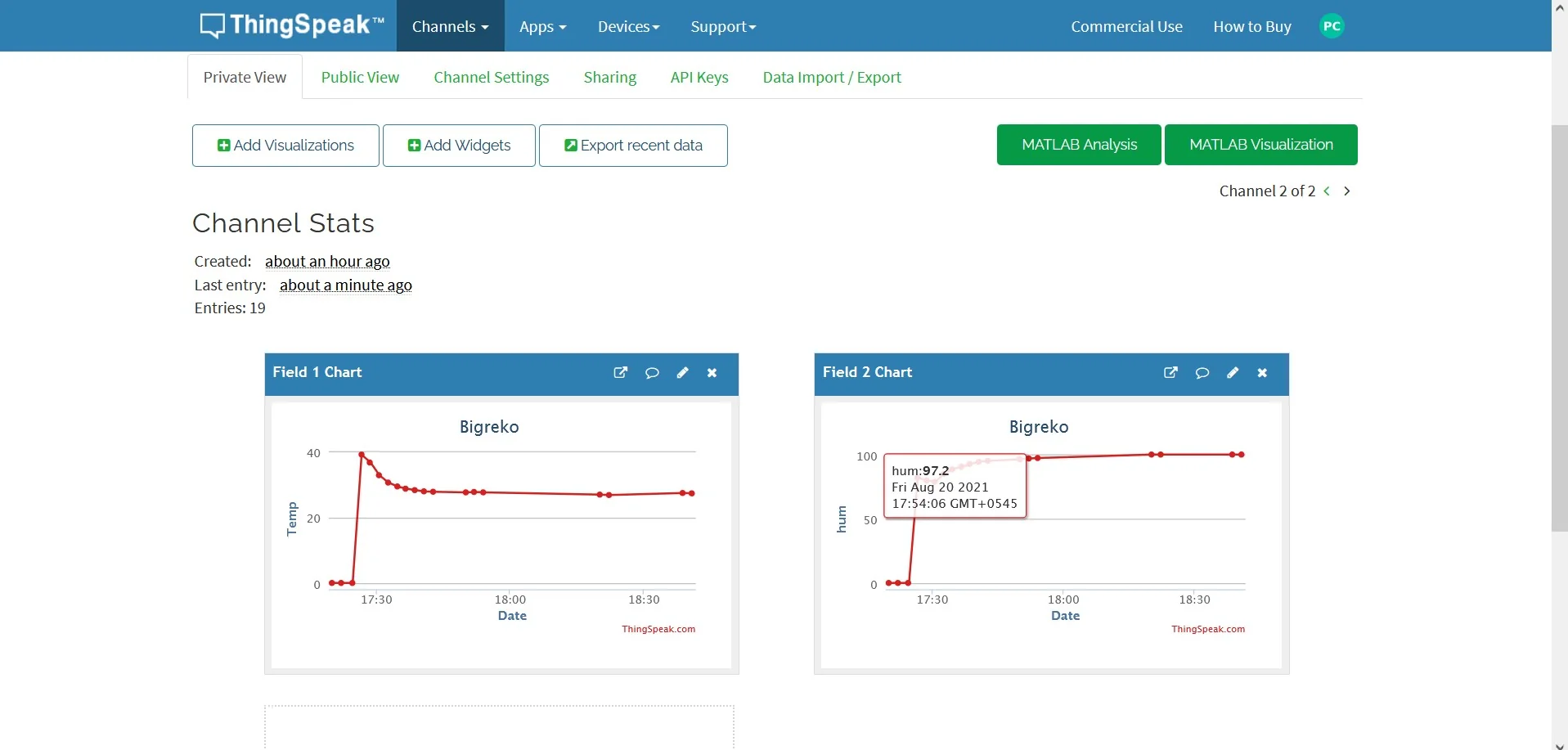
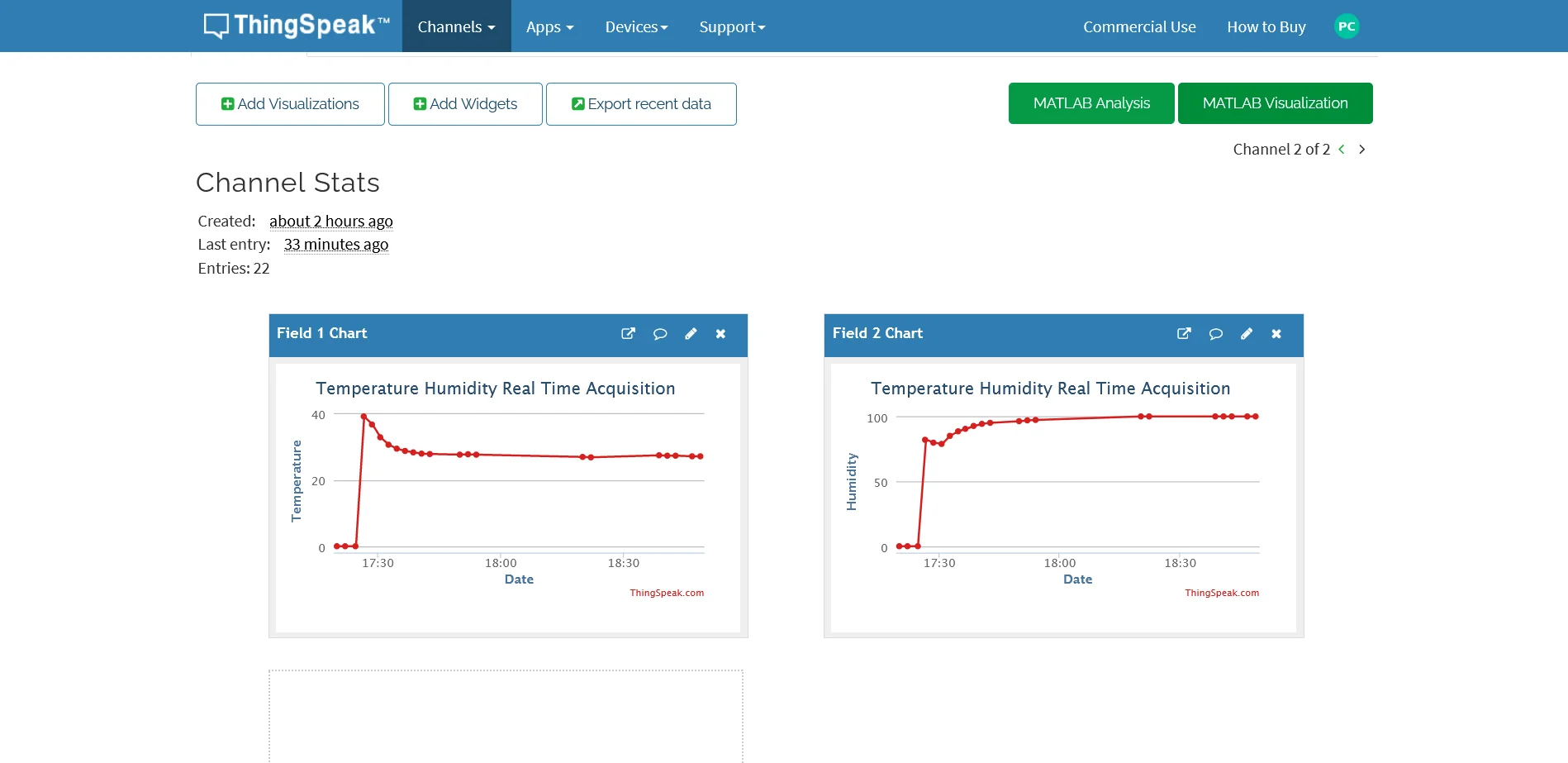
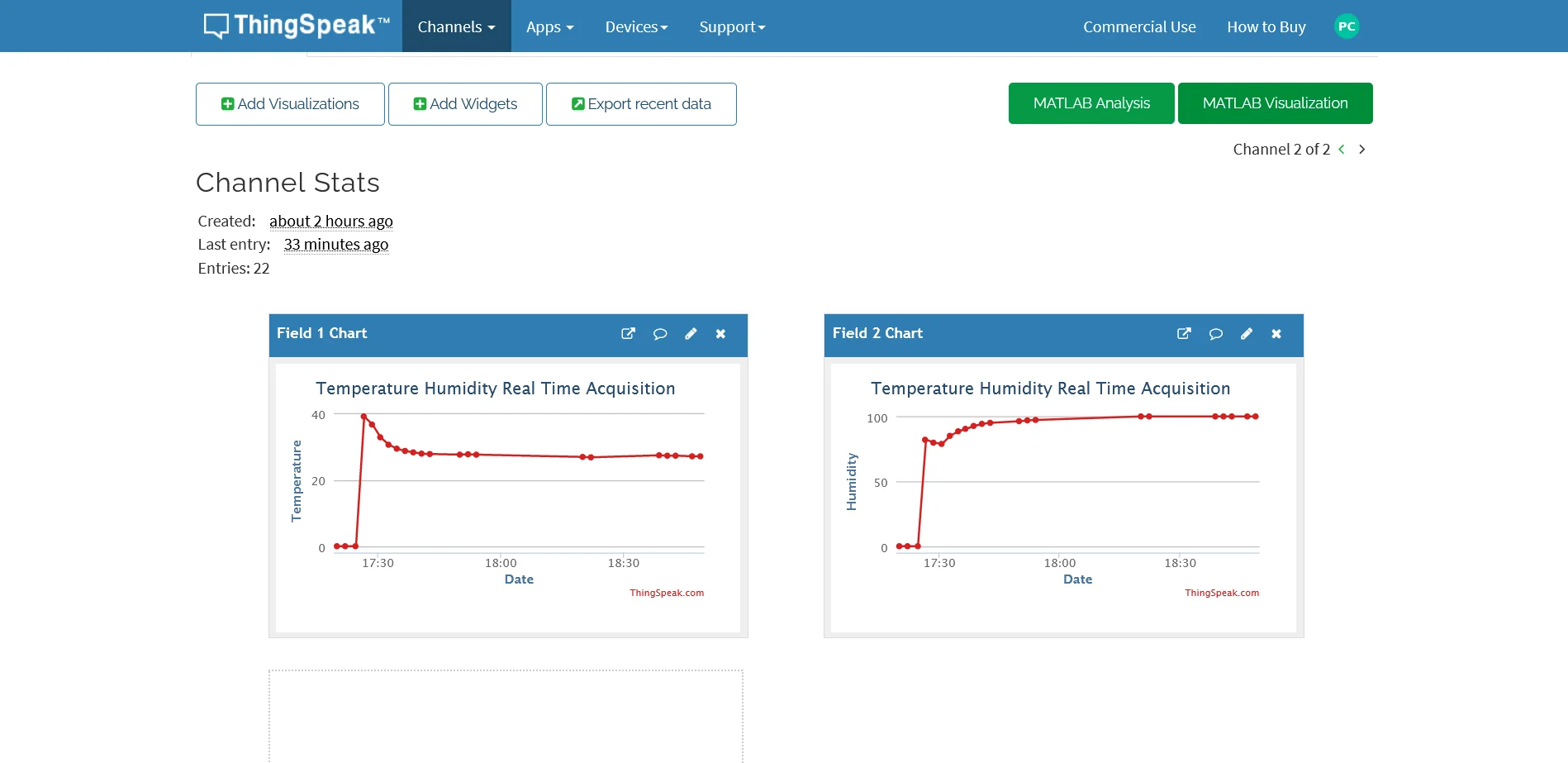
The system transmitted accurate readings over the GSM network with latency under 5 seconds from measurement trigger to SMS delivery at the receiving handset. Humidity accuracy was within ±2% RH and temperature within ±0.5°C of a calibrated reference thermometer, consistent with DHT22 datasheet specifications. No missed transmissions or corrupt readings were observed across 48 hours of continuous operation.
The project demonstrated that full-featured wireless sensor nodes can be constructed with low-cost commodity components — DHT22 sensor, AVR microcontroller, SIM900 module — at a total BOM cost well under $20 USD. The AT command firmware pattern implemented here generalizes to any serial GSM or LTE module, making the communication layer directly reusable in more advanced remote monitoring applications. This design experience informed an intuition for low-power embedded systems and wireless telemetry that carries forward into power systems monitoring contexts.